

Gutter, Siding & Window FAQs
Straight answers to what people ask us most. If yours is not here, call or text (515) 901-3646 and ask Luke.
Estimates and getting started
Are estimates from Flow Right Construction free?
Yes. Call or text (515) 901-3646, or send the form on our contact page, and we will set up a time to come out, look at the house, measure and walk you through your options.
What should I have ready before I call?
The address, what is going on (water over the gutters, rotted fascia, drafty windows, hail damage), and photos if you have them. Luke will ask a few questions and set up a time to see it in person.
How much do new gutters cost in Des Moines?
It depends on the length of the runs, the size (5 or 6 inch), the number of corners and downspouts, the height of the house and whether old gutters come off. Our gutter installation cost guide walks through what moves the number, and the estimate is free.
What are your hours?
Monday to Friday, 8am to 5pm. Call or text (515) 901-3646. If we miss you, we call back.
Gutters, guards and drainage
Do you only do gutters?
No. Gutters are our specialty, and we also do siding, soffit and fascia, cultured stone, windows and doors, plus framing: room additions, garages, decks, basement buildouts and 3-season rooms. See all of our services.
Should I get 5-inch or 6-inch gutters?
It depends on how much roof drains into each run. 5-inch gutters suit most homes. 6-inch gutters carry more water and are the better choice for large or steep roofs, long runs and valleys. We measure on site and recommend the size that fits. More in our 5 vs 6 inch guide.
Do you install copper or half-round gutters?
Yes. We install solid copper and half-round gutters, 4-inch round downspouts and suspended gutter systems, along with standard seamless gutters in all colors. See copper and half-round gutters.
What leaf protection do you install?
We install leaf protection and gutter covers, including Gutter Topper and LeafFX, so the gutters stay clear through maple seed, cottonwood and fall leaves. See gutter guards.
Can you get downspout water away from my foundation?
Yes. We place downspouts where the water needs to go and can add flip-up hinges, diverters, rain barrels, rain chains or underground tile that carries water well away from the house. See downspouts and drainage.
Siding, windows and doors
What kinds of siding do you install?
LP SmartSide, vinyl siding including Alside, soffit and fascia, aluminum and vinyl soffit and cultured stone. We repair siding too. Ask Luke about other materials. See siding installation and repair.
What kinds of windows and doors do you install?
Casement, double-hung, sliding, bay, garden and egress windows, plus entry, patio and storm doors. See windows and doors.
Is there still a federal tax credit for new windows or doors?
Not for installs after December 31, 2025. The 25C energy credit ended for property placed in service after that date. Our 2026 tax credit guide has the details.
Where we work
Where is Flow Right Construction based?
Our shop is in Mitchellville, on the east side of the Des Moines metro in Polk County.
What areas do you serve?
The whole Des Moines metro and Central Iowa: Des Moines, Ankeny, West Des Moines, Urbandale, Altoona, Pleasant Hill, Bondurant, Norwalk, Ames, Newton and more. See our service area. Not sure about your town? Just call.
Do you work on commercial buildings?
Yes. We serve residential and commercial properties, including churches, rental homes and metal buildings. See commercial gutters.
What Does It Cost?
Every house is different, so Luke looks at yours and gives you a free estimate. These guides explain what moves the number. See all guides.
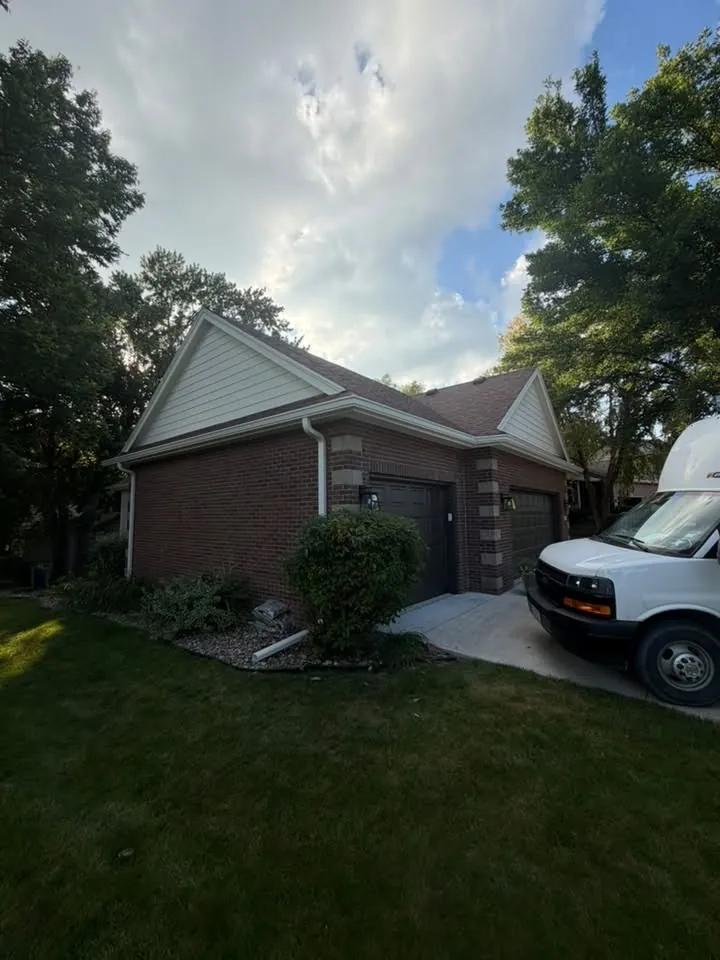
Gutter Installation Cost in Des Moines (2026)
What new seamless gutters cost around Des Moines in 2026: published per-foot ranges, the line items that move the price, and how to get a free estimate.
Read the guide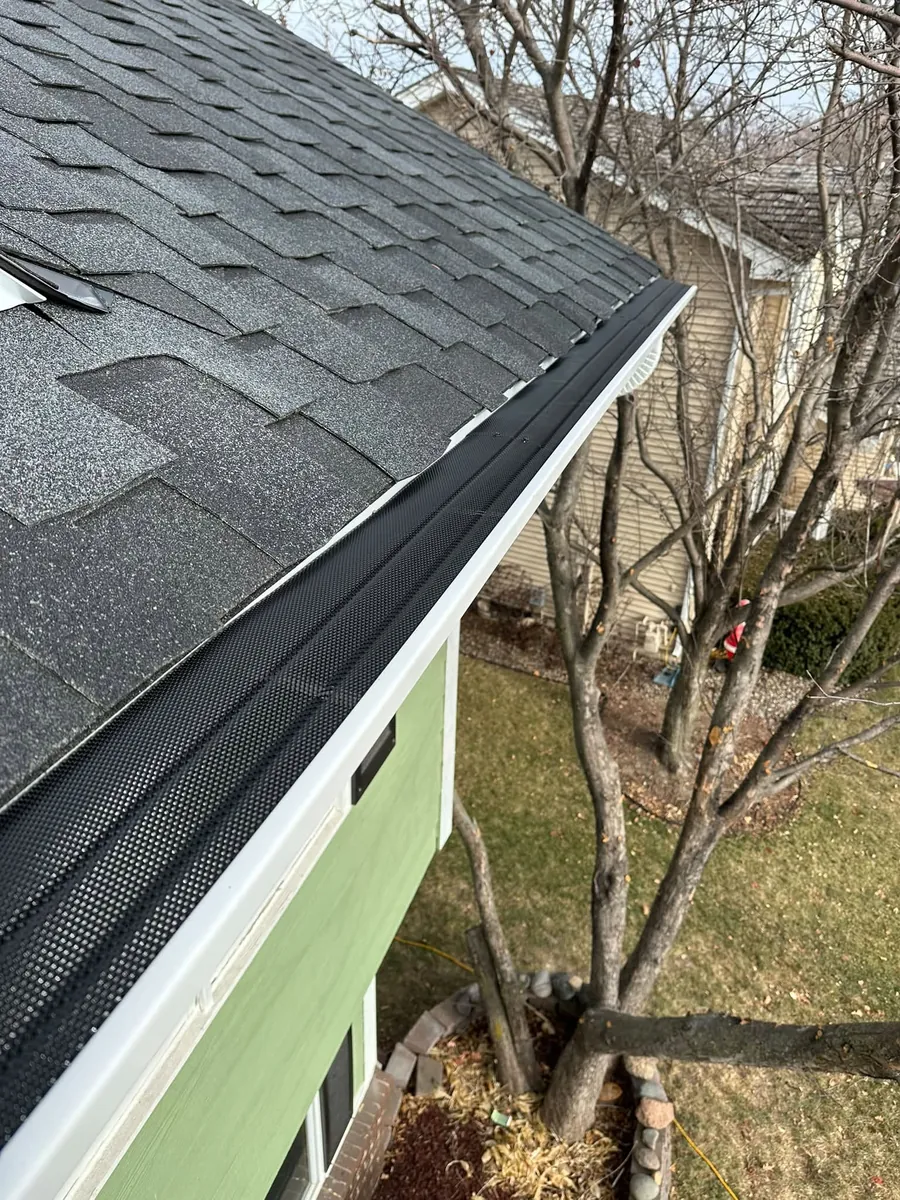
Gutter Guard Cost in Des Moines (2026)
Gutter guard cost in Des Moines for 2026: published per-foot ranges by guard type, Midwest survey numbers, national brand prices and what changes your quote.
Read the guide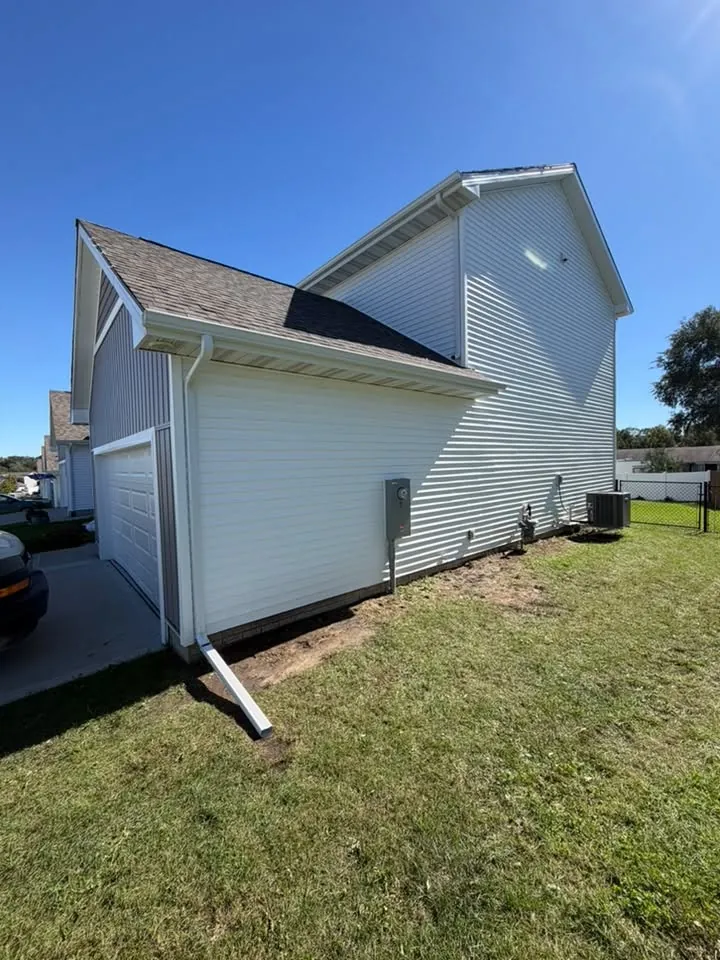
Siding Replacement Cost in Des Moines (2026)
What new siding costs in Des Moines in 2026: published averages by material, what moves the price, repair vs. re-side, and how to get a free written estimate.
Read the guideFree Estimates. Straight Answers.
Call or text Luke, or send a few details. He will talk it through and set a time to come out and measure.