

Gutters, Siding & Windows in Ames, IA
Gutters, gutter guards, siding and windows for Ames homeowners and rental owners. We come out to Ames regularly; call and we will tell you straight how soon we can get there.
Gutters, Siding & Windows in Ames
Ames started in 1864 as a station stop on the Cedar Rapids and Missouri Railroad. Today Iowa State University, the first designated land-grant university in the country, sits at its center with more than 30,000 students. That means a lot of houses with a lot of owners, from families to landlords with a few rentals. The calls are the same: clogged gutters, a soggy flower bed under a downspout, a basement window too small to get out of, or tired siding.
Ames sits up in Story County, and we come out to Ames regularly from Mitchellville. Ring or text (515) 901-3646 and we will tell you straight when Luke can get there, since the season changes the wait. He looks at the whole house, measures and lays out the choices, free of charge. Landlords can send a property manager to meet him instead. On install day the crew cleans up as it goes, and the final walkthrough happens before anyone leaves.
Rental owners in a university town
The 2020 Census counted 27,806 housing units in Ames. If some of those are yours, you know how fast a small gutter problem turns into a wet basement call from a tenant. We already work for people who manage rental homes, churches and businesses. We can clean gutters, fix sagging runs, add guards and send downspouts farther from the foundation. Our gutters in Ames page goes deeper on installs, sizes and colors.
Trees along the South Skunk River and Ioway Creek
Two small streams run through Ames: the South Skunk River and Ioway Creek. Iowa State University Extension notes that eastern cottonwood grows along streams and drops its cottony seeds from May through August. Maple seeds come in spring and again in fall. Homes near the water or under big trees can fill a gutter fast. Micro-mesh leaf protection keeps most of that out, and a cleaning visit clears what is already there.
Egress windows, siding and doors
A basement bedroom needs an egress window and well that a person can climb out of. We cut in and install egress windows, along with casement, double-hung, sliding and bay replacements. Rules for egress size and permits are set by code and by the city, so check with the City of Ames and we will build to what they require. We also install vinyl siding, LP SmartSide and entry, patio and storm doors. See all of Story County on our area page.
What We Get Called for in Ames
The jobs that come up most around Ames, plus everything else we do.
 01
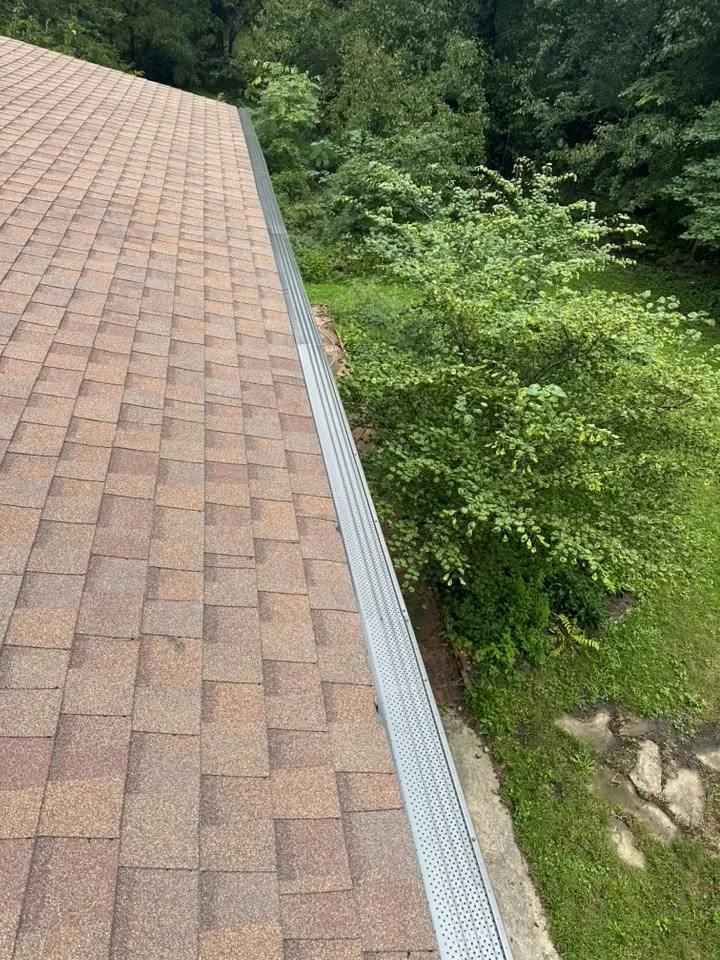
01Gutter Cleaning in Ames
Gutters and downspouts cleared by hand, flushed and checked by a crew that installs gutters.
Details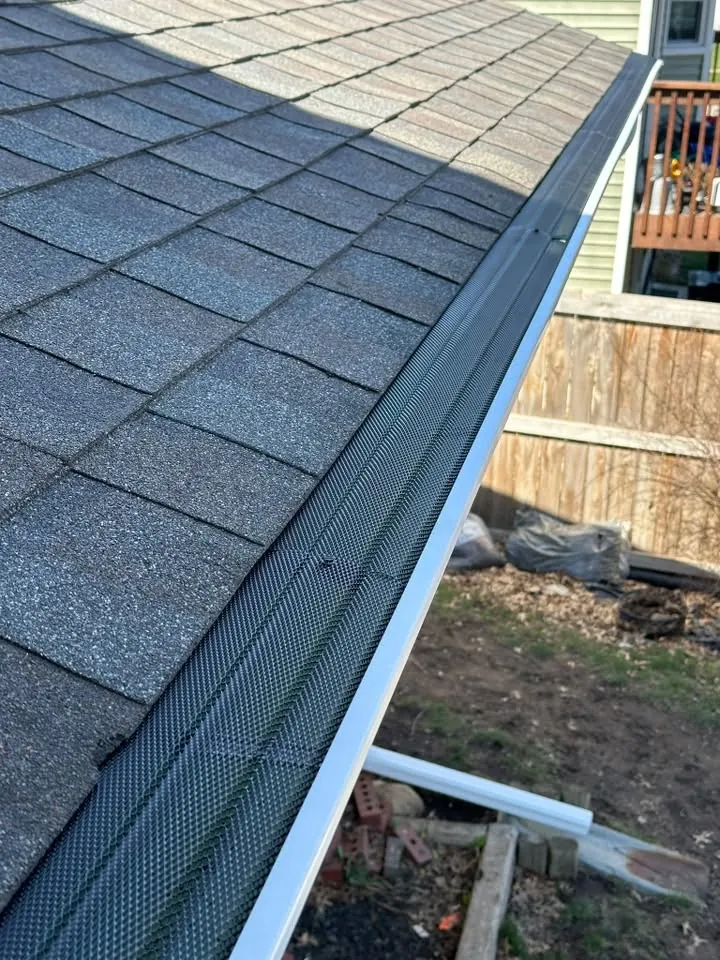 02
02Gutter Guards in Ames
Micro-mesh, LeafFX and Gutter Topper leaf protection fitted to the trees over your house.
Details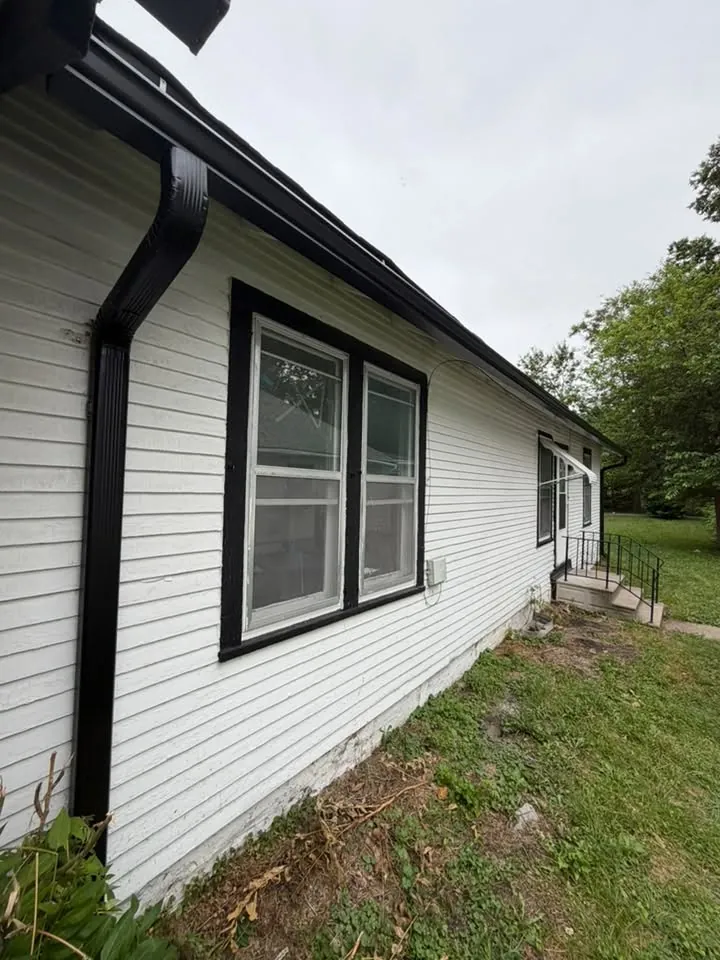 03
03Egress Windows in Ames
Basement egress windows and wells sized for a safe escape and your city's rules.
Details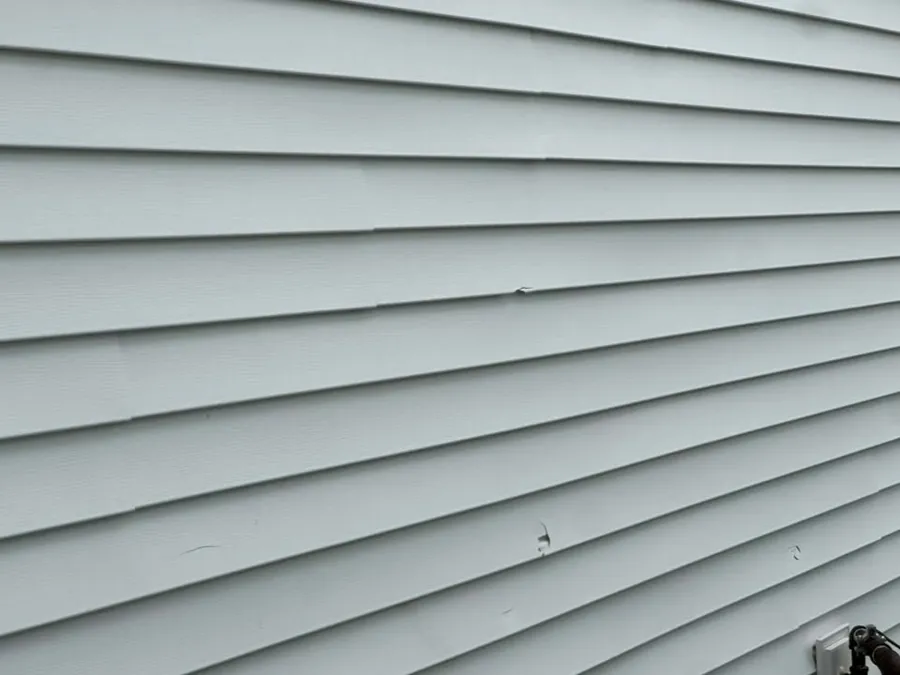 04
04Vinyl Siding in Ames
New vinyl siding over house wrap, with straight laps and clean trim at every opening.
DetailsEverything else we do in Ames
More about our work in Ames
Do you clean gutters for rental properties in Ames?
Yes. We clean gutters and flush downspouts for homeowners and for rental owners and managers. While we are up there we check hangers, seams and outlets and tell you what we see. If the same rental fills up every season, Luke can quote guards so it needs less attention. Call or text (515) 901-3646.
How far out of Des Moines do you go, and do you work in Ames?
We come out to Ames regularly from our shop in Mitchellville on the east side of the metro. Call or text and we will tell you straight how soon we can get there for your job. The estimate is free, and Luke does it in person so the numbers come from your house.
Can you add an egress window to an Ames basement bedroom?
Yes. We cut the opening, set the egress window and install the well so the room has a real way out. The City of Ames and the building code set the size and permit rules, so check with the city before the work starts. Luke will measure and walk you through the steps at a free estimate.
Photos from Flow Right jobs
How a Job Runs
Call or Text
Overflowing gutters, tired siding, a drafty window or an addition you have been planning. Tell us what is going on.
Free Estimate
Luke comes out, looks at the house, measures, and walks you through your options in plain words.
A Clear Plan
You get a written estimate and a straight recommendation. No pressure and no runaround.
Install Day
Our crew does the work and keeps the job site clean while we are there.
Walkthrough
We walk the finished job with you and make sure everything is right before we leave.
Need Gutters or Siding in Ames?
Call or text Luke, or send a few details. Estimates are free.